Conservation Security Program
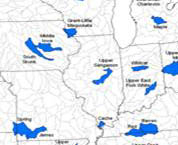
The Conservation Security Program (CSP) is an annually funded program designed to reward producers for conservation practices they have already implemented into their farming operations. The money is currently available in a few specific watersheds; however, in the future most producers will be included. Growers must sign up during a designated time period or wait until their water shed is eligible for enrollment, approximately every 8 years.
Applicants must own or have control of rented lands for the duration of the contract period (5-10 years). No publicly owned lands are applicable. Applicants must have a direct involvement in the crop production and share a risk in the operation. Crops can range from corn and beans, to orchards, nurseries, specialty crops or pasture. The land cannot be in the conservation reserve program to receive payment.
County NRCS offices are hosting workshops for growers in the applicable areas. At the workshops the grower will receive a 6-part folder, which needs to be completed to receive an interview. A producer needs to have at least 2 years of records of their farm management practices. This includes nutrient management, soil sampling (1 sample/5 years), tillage practices, erosion control, residue management, pesticide management, scouting records, and the use of buffers. Applicants must have a positive soil conditioning index (SCI) which is based on erosion, organic content, and tillage system.
The program is broken into 3 tiers. Payment for each tier is broken into stewardship practices, existing practices, new practices, and also enhancement practices. Enhancement practices can include systems that include the following:
· 100% no-till
· Oil recycling
· Use of light bars for pesticide or nutrient application
· Using soil tests to apply fertilizer
· Using bio-diesel
· Limiting fertilizer applications
· Shelter belts
· Forest buffers
· Generating energy
· Limiting pesticide applications based on scouting
Producers are paid based on each enhancement they include. Enhancements can greatly increase a producer’s payments.
Tier I producers are limited to a 5 year contract. Producers in this tier should expect a yearly payment of $7-10/acre. These growers need to demonstrate their efforts to protect soil and water quality on part of their Agriculture Operation. A producer’s agriculture operation is all owned and rented acres that a grower has control of for the length of the CSP contract. Only acreage that shows effort to be protected qualifies for payments.
Tier II producers may have a 5-10 year contract and must show efforts to protect soil
and water quality on all of their agriculture operation. They must also have all streams and ditches buffered at least 20’ or agree to do so within 2 years. Depending on the enhancements a producer has implemented a tier II producers will likely receive between $15-20/acre.
Tier III producers must meet all of the requirements for the above tiers plus agree to additional activities. This could include preventing run off from feed lots, including wildlife cover in their operation, and proper management of resources near farm buildings. Producers who qualify for tier III will receive $27-35/ acre and will have a 5-10 year contract.
Where does scouting fall into the CSP? Growers who have participated in a scouting program will have ready records of their scouting practices as well as be eligible for enhancement payments when scouting has prevented pesticide applications. All producers need to be ready with good records so that when their watershed becomes eligible for enrollment they can take advantage of the payments available. For more information you can contact your NRCS office, or look on the NRCS website for the CSP: http://www.nrcs.usda.gov/programs/csp/